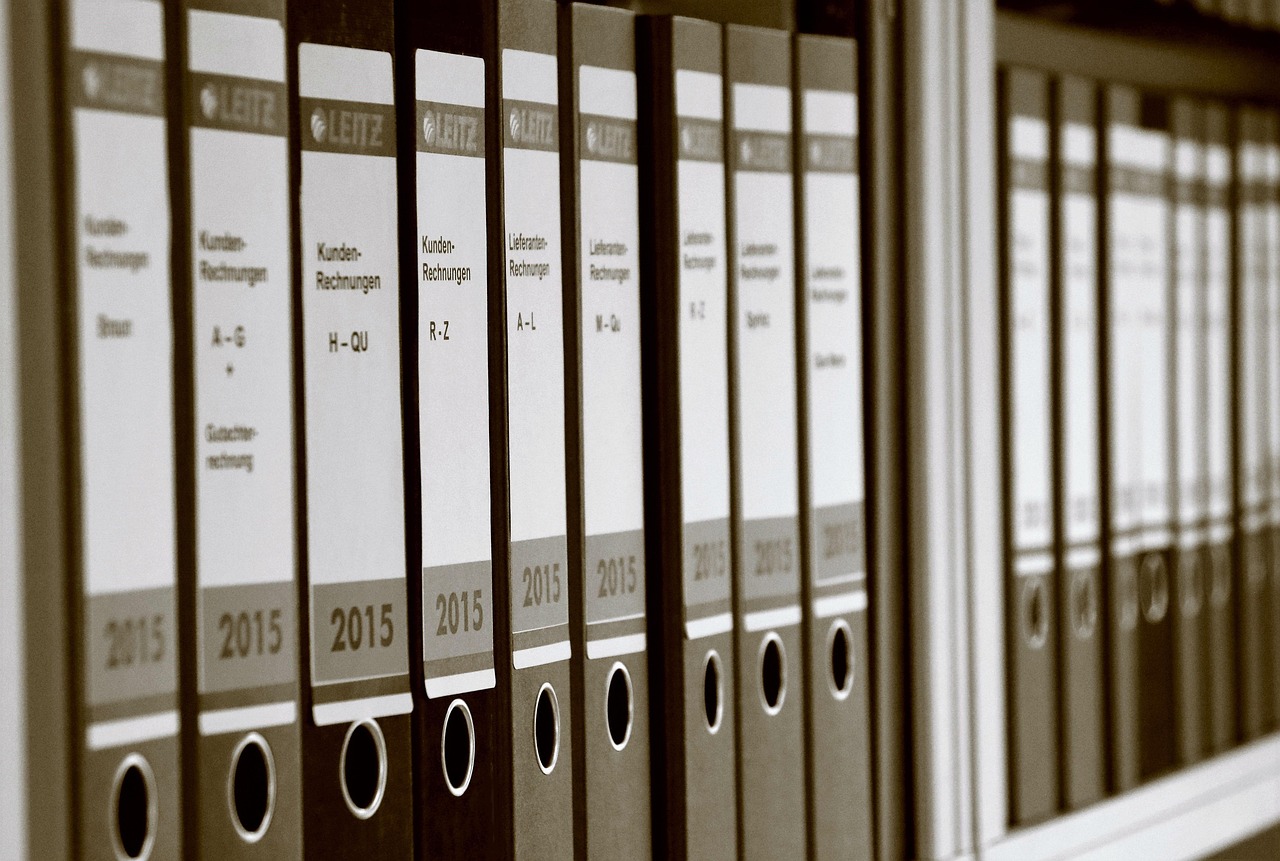
A lock on a filing cabinet is worth having and it is worth being realistic about. It stops casual access, it demonstrates that you took reasonable care, and it is not a safe.
What a cabinet lock actually protects against
Cabinet locks are designed to deter opportunistic access — a cleaner, a visitor, a colleague who should not be reading a personnel file. They do that job well and it is the job that matters most often.
They are not designed to resist a determined attempt with tools, and most cam locks can be defeated quickly by someone who wants to. Anything genuinely sensitive — cash, passports, original deeds — belongs in a safe, not a filing cabinet.
Which paperwork needs locking
Personnel records containing addresses, dates of birth, salary and medical information. Financial records with account numbers. Anything containing a customer’s payment details or identification documents. Contracts under negotiation.
Ordinary operational paperwork does not need a lock, and locking everything means the key ends up in the lock permanently, which achieves nothing.
Key management is the real problem
Most cabinet locks are defeated not by force but by the key being in the cabinet, in the pencil tray, or on a hook beside it. Decide who holds keys, keep the spare somewhere genuinely separate, and record the key code from the lock face so a replacement can be ordered without changing the barrel.
Cabinets from the same manufacturer frequently share a small number of key codes. If your office has several, do not assume one key opening one cabinet means that cabinet is uniquely secured.
Separate by sensitivity, not by department
The most workable arrangement in a small office is one locked drawer or one locked cabinet holding everything sensitive, rather than sensitive material spread across several cabinets that are all locked.
One locked location means one key policy and one place to check.
Retention and disposal
Holding confidential records longer than you need to increases risk without any corresponding benefit. Look up the statutory retention periods that apply to your business once, write them down, and dispose of records when they expire.
Disposal means cross-cut shredding, not the recycling bin. Strip-cut shredders are inadequate for anything with an account number on it. For volume, a shredding service is cheaper than the time it takes to do it yourself.
A note on digital copies
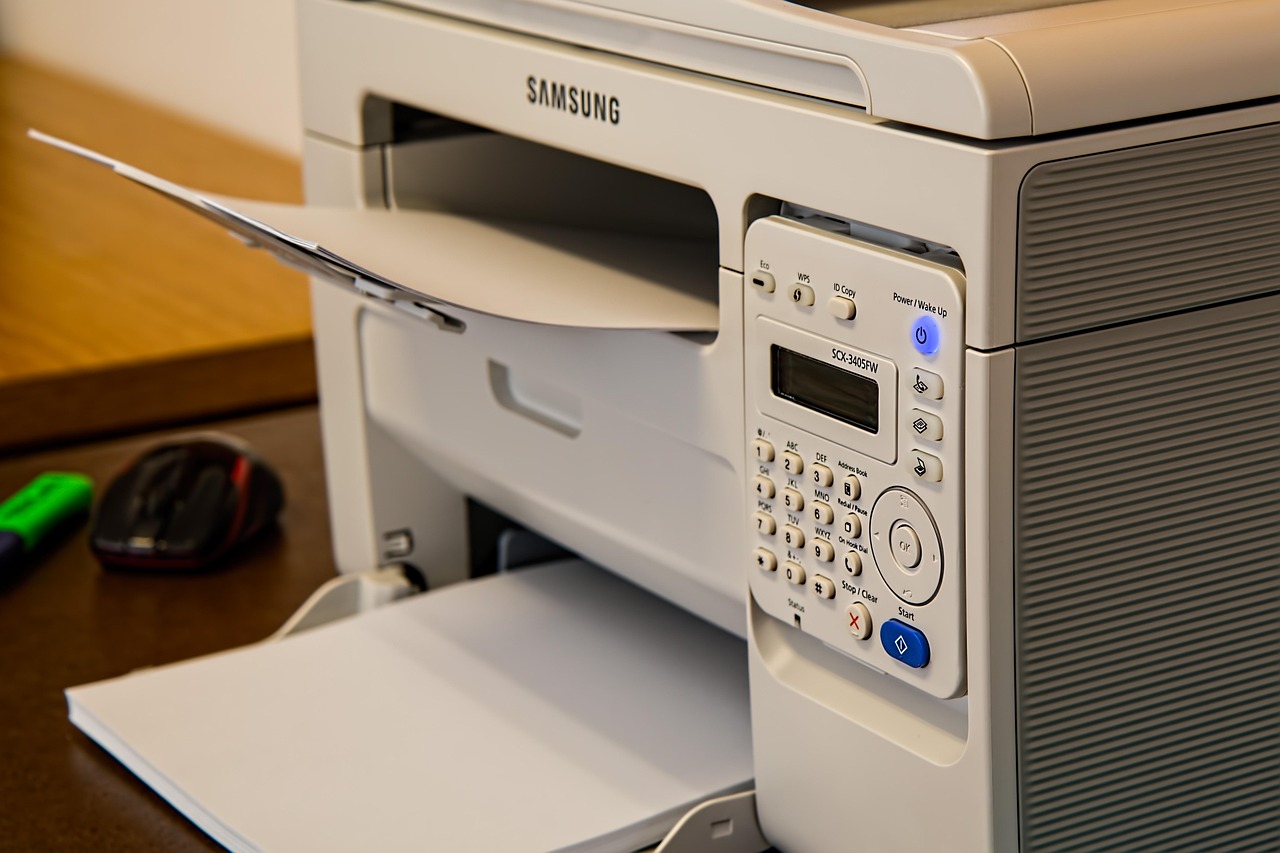
Scanning paper records does not eliminate the obligation to protect them — it duplicates it. If you scan personnel files to a shared drive, that drive now needs the same care as the cabinet, and usually gets less.
Decide which copy is the record and dispose of the other.
Choosing a lockable unit
Look for a lock on the cabinet rather than on individual drawers, a keyed-alike option if you have several units, and a stated key code so replacements can be ordered. Our lockable cabinets are listed in mobile pedestals and lateral cabinets.
Nothing here is legal advice. If you handle regulated data, take advice on the specific obligations that apply to you.
All articles
Browse the full range in the shop, read the frequently asked questions, or contact us — Sandia Office Supply, Albuquerque, NM.