Almost every filing cabinet that comes back to us comes back for the same reason: a measurement nobody took. Five numbers decide whether a unit will work, and four of them are on the listing. The fifth is in your office.
1. Clear height under the desk
Measure from the floor to the underside of the desk top, not to the underside of the frame or the modesty panel. Then compare it with the assembled height on the listing, which on a mobile unit includes the castors.
A standard desk gives roughly 27 to 29 inches of clearance, but height-adjustable desks at their lowest setting can give considerably less. If you plan to lower the desk, measure at the lowest position you will actually use.
Leave at least half an inch of margin. A unit that clears by a millimetre will scrape the moment the floor is uneven.
2. Folder format
Letter, A4 and legal are three different widths, and many compact cabinets take only the first two. Manufacturers are not always prominent about this. If you file legal-size documents at all, check the listing before anything else — it is the specification that most often catches people out, and it cannot be worked around.
Note that a cabinet can accept letter-size folders side to side or front to back, and this affects how many fit per drawer. Lateral cabinets usually take folders side to side, which is faster to retrieve from.
3. Drawer extension
A drawer that opens fully needs its own depth again in clear floor space in front of it. In a narrow room, or where a cabinet sits opposite a desk, this is what determines whether the drawer can actually be opened while someone is sitting there.
Measure the gap between the cabinet position and whatever is opposite it. If it is less than the cabinet depth plus about eighteen inches, consider a lateral unit instead — lateral drawers are shallower front to back.
4. Load rating on the top
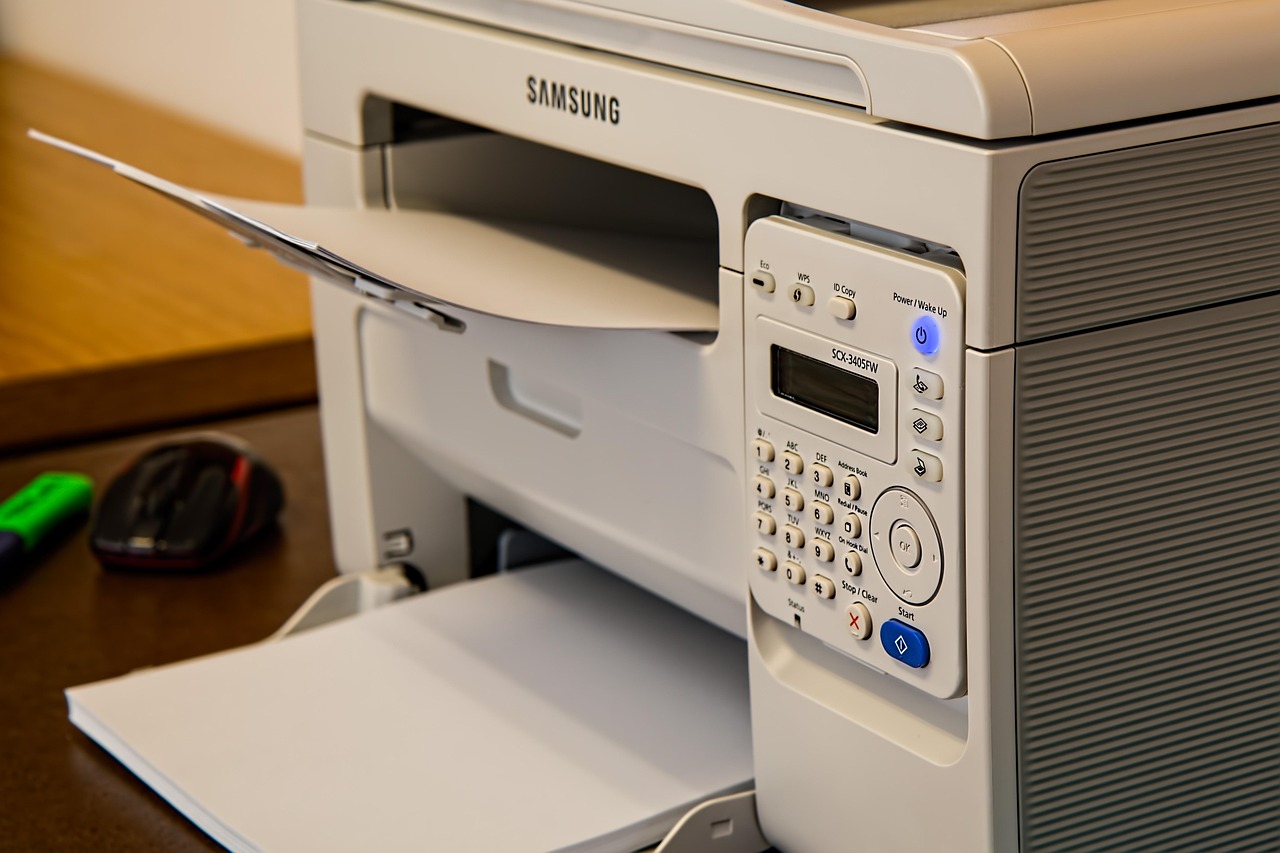
If a printer is going on top, check the published load rating for the top surface. A desktop laser printer is heavier than people expect, frequently 25 to 40 pounds, and a fabric-drawer unit with a thin top is not designed for it.
Where a manufacturer does not publish a rating, ask rather than assume. We will check the specification sheet.
5. Doorway and route
The forgotten measurement. A lateral cabinet 31 inches wide will not pass a 30-inch doorway, and an assembled unit cannot be made narrower. Check the narrowest point of the route from the front door to the room — usually a doorway, occasionally a stair turn.
Flat-packed units sidestep this entirely, which is one genuine advantage of assembly.
Vertical or lateral?
Vertical cabinets are narrow and deep. They use very little wall space and suit a corner or an alcove, but every file is behind another file.
Lateral cabinets are wide and shallow. They cost more floor width but every folder is visible when the drawer opens, and the top becomes a usable surface. For any archive you consult regularly, lateral is worth the wall.
Browse both in Vertical and Under-Desk Filing and Lateral and Wide Cabinets.
Write the numbers down before you shop
Clear height under the desk. Folder format you use. Free floor space in front. Weight going on top. Narrowest doorway. Five numbers on a piece of paper, and the rest of the decision becomes easy.
All articles
Browse the full range in the shop, read the frequently asked questions, or contact us — Sandia Office Supply, Albuquerque, NM.