A home office is easy to set up and hard to keep. Most degrade the same way: storage fills, cables tangle, the desk becomes a shelf, and within a year the room is used for something else. Four decisions at the start prevent nearly all of it.
Decision one: storage before furniture
The usual order is desk, chair, then storage if there is room left. This is backwards. Paper, equipment and supplies expand to fill whatever storage exists, and if the storage is inadequate they expand onto the desk instead.
Work out what has to be stored — files, stationery, paper stock, equipment, cables — and buy for that first. A desk with a clear surface and adequate storage behind it beats a larger desk with none.
Decision two: two tiers of filing
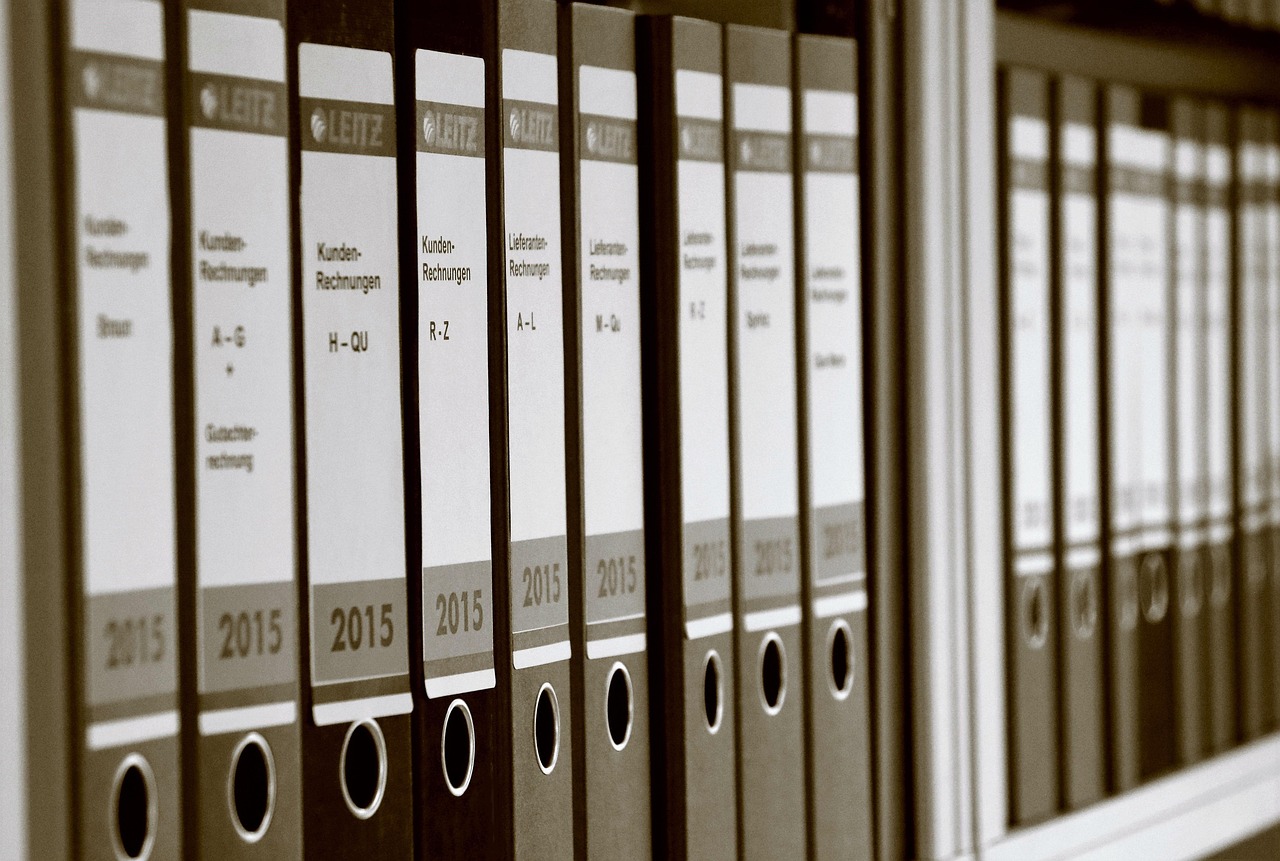
Live files within arm’s reach, in a mobile pedestal under the desk. Closed files in a lateral cabinet across the room. That is the whole system, and its virtue is that filing something takes two seconds rather than a trip.
A single large cabinet in the corner produces a pile on the desk, every time.
Decision three: light from the side
A window directly in front of you causes glare on the screen; a window directly behind causes silhouetting on video calls and reflections on the display. Side-on is the answer to both.
Add a task lamp regardless. Overhead room lighting is diffuse and dim at desk level, and reading paper documents under it is tiring. Something adjustable and warm, positioned on the opposite side from your writing hand so it does not cast a shadow.
Decision four: route cables once, properly
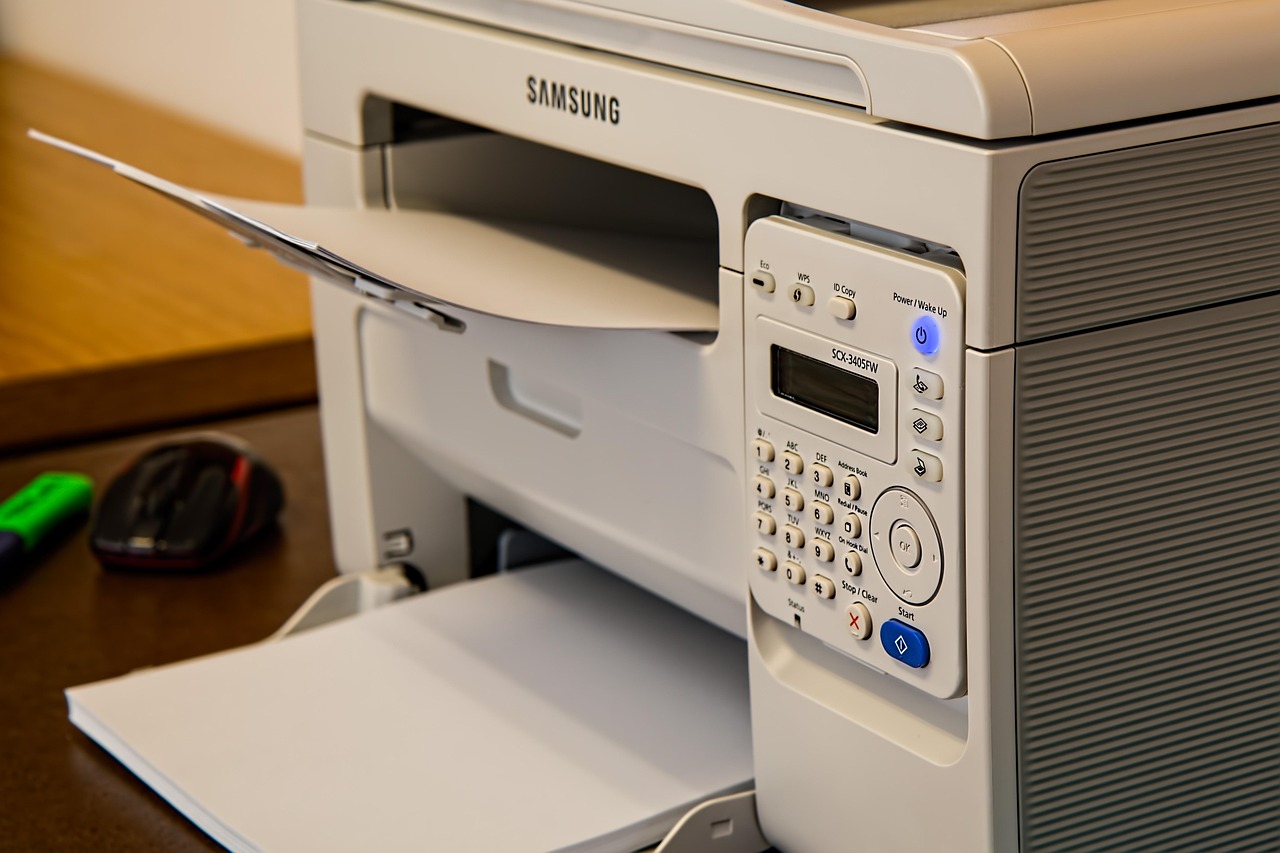
Cables sprawl because there is no route for them. Decide where power enters, run a single extension along the back of the desk, and cable-tie everything to that run.
A desk with a recessed power hub or a grommet is worth the small premium — it removes the single most persistent source of visual mess in a home office. Where the desk has no cut-out, an under-desk power module achieves the same result.
The surface rule
Anything that lives permanently on the desk should earn its place. Monitor, keyboard, one lamp, one notebook. Everything else has a home elsewhere and returns to it.
This sounds austere and it is really a maintenance strategy: a desk that is clear at the end of the day is clear at the start of the next one, and a desk that is never clear is never cleared.
Plan for the second year
Leave twenty per cent of your storage empty on day one. Every home office accumulates, and a system that is full when you set it up has nowhere to put next year.
Similarly, put the archive tier somewhere else entirely — a closet, a garage shelf, a stackable box unit. The office should hold this year’s work.
A shopping list
Desk with cable management. Mobile pedestal for live files. Lateral cabinet or shelf unit for closed files. Task lamp. Box files for archive. Power module. That is a home office that still works next year.
Everything on that list is in the shop, and the contact page reaches us if you want a second opinion on a layout.
All articles
Browse the full range in the shop, read the frequently asked questions, or contact us — Sandia Office Supply, Albuquerque, NM.